

Heading to Panama City Beach for sun and emerald water is always exciting. Before you grab your beach bag and head for the shore, it helps to understand the Panama City Beach flags flying along the sand. Those colors are a simple system for sharing today’s surf and safety conditions.
Whether this is your first visit or your favorite annual trip, knowing how to read the beach warning flags protects your family, helps you avoid fines, and makes it easier to enjoy the water even when swimming is not the best option.
Why Panama City Beach Flags Matter
Panama City Beach is known for soft white sand and clear Gulf water, but conditions change with wind, currents, and weather. Those changes affect:
- Wave height and strength
- Rip current risk
- Water clarity and marine life activity
The Panama City Beach flag system gives you a quick update on what is happening in the water. Paying attention to the flags helps you:
- Decide if it is a good swimming day or a better day to enjoy the sand
- Choose activities that fit the conditions
- Avoid tickets or fines for entering the water when it is closed
If you are asking, “What are the Panama City Beach flags today?” you are already thinking like a local.
What Do Panama City Beach Flags Mean?
Panama City Beach follows the standard Florida beach flag meanings so visitors know what to expect at a glance. You will see five main signals:
- Green
- Yellow
- Single red
- Double red
- Purple, flown along with another color
These PCB flags are posted at public beach access points, lifeguard stands, and along the shoreline. They are updated as conditions change, so check them when you arrive and again during the day.
You can think of the flags as a quick guide to the Gulf. They show whether it is a calm swimming day, a day for extra caution, or a day to enjoy the water from a boat instead.
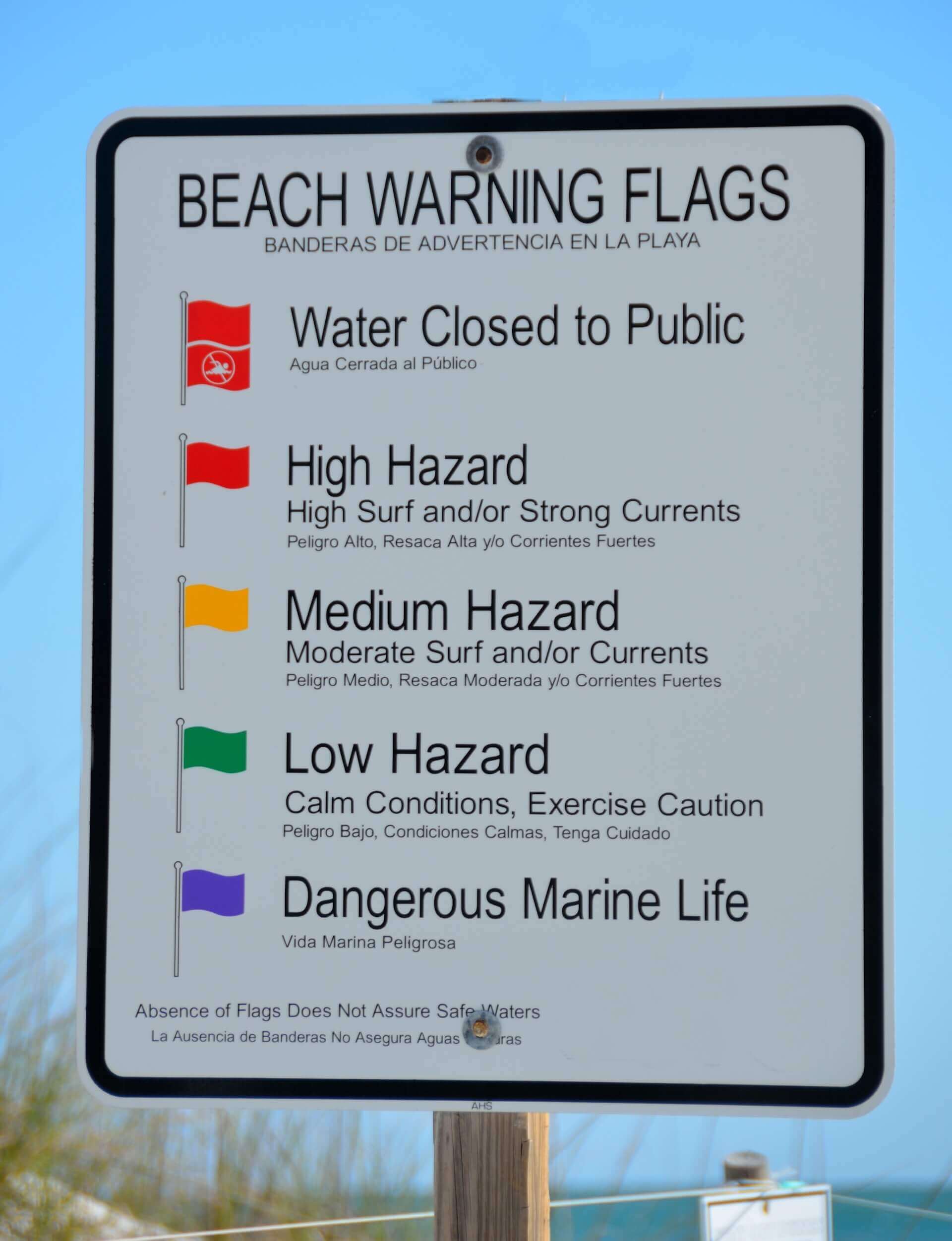
Panama City Beach Flag Meanings by Color
Green flag: low hazard
A green flag is the calmest signal you will see.
- Meaning: low surf and relatively calm conditions
- Suggests: a safer swimming environment for most visitors
Even on green flag days, the ocean is never risk free. Keep a close eye on children, use flotation devices carefully, and follow lifeguard instructions.
Yellow flag: medium hazard
A yellow flag means the Gulf has more energy and you should use extra care.
- Meaning: moderate surf and currents
- Suggests: stronger waves, more powerful shore break, or a higher rip current risk
On a yellow flag day:
- Strong swimmers may still feel comfortable, but should stay close to shore.
- Children and weaker swimmers should wear Coast Guard approved life vests and stay within arm’s reach of an adult.
- Inflatable rafts and toys can drift quickly, so use them with care or leave them on the sand.
Red flag: high hazard
A single red flag is a clear warning that the water is dangerous.
- Meaning: high surf and dangerous currents
- Suggests: strong waves and rip currents that can challenge even experienced swimmers
On a red flag day:
- Weak or non swimmers should not go into the water beyond their ankles.
- Strong swimmers should use extreme caution and stay very shallow, if they enter at all.
- Follow lifeguard instructions right away.
Red flag days are a good time to enjoy the coast in different ways, including time on the water with a professional crew like Paradise Adventures.
Double red flag: water closed to the public
Double red flags are the strongest warning on the beach.
- Meaning: the Gulf is closed to the public
- Suggests: very strong currents, large breaking waves, or other serious hazards
On double red days:
- Entering the water is prohibited and can lead to fines.
- Stay completely out of the Gulf, including swimming, wading, and playing in the surf.
You can still enjoy the view, the sound of the waves, and the breeze from the sand or from a stable vessel with an experienced captain.
Purple flag: hazardous marine life
A purple flag signals that potentially hazardous marine life has been spotted.
- Meaning: jellyfish, stingrays, or other stinging or biting marine life may be present
- Suggests: extra caution, especially for children and anyone with sensitivities or allergies
Purple flags are usually flown along with another color, such as yellow or red. Talk with the lifeguard about what has been seen and the best way to avoid contact.
Smart Ways To Spend Red Flag Days in Panama City Beach
When the Panama City Beach flag status shows red or double red, you may need to change your plans, but you do not have to waste the day.
Here are safe ways to enjoy PCB when swimming in the surf is not recommended.
1. Enjoy the sand and the view
You can still have a great day on the shoreline without going into deeper water:
- Walk the beach and look for shells and other treasures. For shell lovers, the blog Types of Seashells You Can Find in Panama City Beach is a helpful guide.
- Build sandcastles and play beach games with the family.
- Let kids splash only at the edge of the water on single red flag days, and keep them away from breaking waves.
2. Explore Shell Island and marine life by boat
You might not be able to swim in rough surf, but you can still get out on the water in a way that puts safety first.
Paradise Adventures offers:
- Shell Island snorkel and dolphin sightseeing cruises that carry you by catamaran to beautiful areas away from the shoreline.
- Dolphin sightseeing tours where you can watch wild dolphins in the Gulf and St. Andrews Bay from the comfort of the deck. For more about these animals, you can read Types of Dolphins in Florida.
If you are curious about what you might see in the water around PCB, Exploring the Vibrant Marine Life of Panama City Beach, Florida is a good preview.
3. Choose a sunset catamaran or tiki cruise
On a red flag day, a relaxing cruise is one of the best ways to enjoy the water without getting in.
Consider:
- A sunset catamaran sail, where you can watch the sky change colors while the crew handles the conditions.
- A laid-back tiki boat tour, which glides along calmer water and works well for couples, families, and groups of friends.
You still feel the Gulf breeze, hear the waves, and take in famous PCB sunsets from a comfortable seat.
4. Plan a land-based adventure
Red flag days are a good chance to explore more of Panama City Beach away from the shoreline:
- Visit local shops, restaurants, and attractions.
- Spend time at your hotel or condo pool, where conditions are always controlled.
- Review your packing list and get ready for your next charter or beach day. For ideas, the Packing List For Your Unforgettable Panama City Beach Vacation post is a useful checklist.
When flags return to yellow or green, you will be ready to head back to the beach.
Enjoy the Water Safely With Paradise Adventures
Paradise Adventures focuses on helping you experience the best of Panama City Beach in a safe and memorable way.
From spacious catamarans to fun tiki tours, there are options for families, couples, and groups who want time on the water without worrying about surf at the shoreline.
Popular choices include:
- Adventure and dolphin sightseeing tours
- Snorkel and dolphin sightseeing cruises to Shell Island
- Sunset cruises that highlight the colors of the Gulf
- Private charters for birthdays, reunions, and bachelor or bachelorette parties
Because these trips are led by experienced captains and crew, they monitor conditions and adjust routes as needed. You focus on the views and photos while they focus on safety.
On days when the Panama City Beach flags are red or double red, a guided cruise with Paradise Adventures is one of the safest and most enjoyable ways to stay close to the Gulf without stepping into the surf.
How To Check Flag Status Before You Go
Instead of arriving at the beach and being surprised by the flags, make checking conditions part of your daily routine while you are in town.
Simple ways to stay informed:
- Look for flags at public beach access points and lifeguard stands, and note the color.
- Check official local resources before you leave your condo or hotel, since many sites share up-to-date flag information online.
- Ask your tour operator or lodging host. Paradise Adventures and many resorts pay close attention to the forecast and flag status, making them a good resource for the latest updates.
This habit only takes a moment and can change how you plan your day, whether you are scheduling a dolphin cruise, packing for the pool, or going out for a sunset walk on the sand.
Beach Flag Safety Tips To Keep in Mind
Here are a few quick safety reminders to remember, no matter what flag is flying:
- Never swim alone. Use the buddy system, especially if you are new to Gulf conditions.
- Stay near a lifeguard when you can. They are the best source for real time advice.
- Respect red and double red flags. If the water is closed, stay out.
- Watch children constantly. Conditions can change quickly, even on a green or yellow flag day.
- Know your limits. If you are not a strong swimmer, stick to shallow water on calm days and choose boat-based adventures when the surf is rough.
Understanding beach flag meanings is an easy way to protect yourself and the people you love while still enjoying everything Panama City Beach offers.