We all love those perfect Panama City Beach days — sunshine, emerald waters, and toes in the sand. But sometimes Mother Nature has other plans. Whether it’s an afternoon shower or a red flag warning keeping swimmers out of the Gulf, there’s still plenty of fun to be had.
Before we dive into our list of ideas, remember to always check the Panama City Beach flag system before heading into the water. Red flags mean hazardous surf and swimming is discouraged, while double red flags mean the Gulf is closed to the public (violations can result in fines). You can even sign up for free flag alerts by texting PCBFLAGS to 888777 — a great way to stay safe and informed during your trip.
The Silver Lining for Red Flag Days
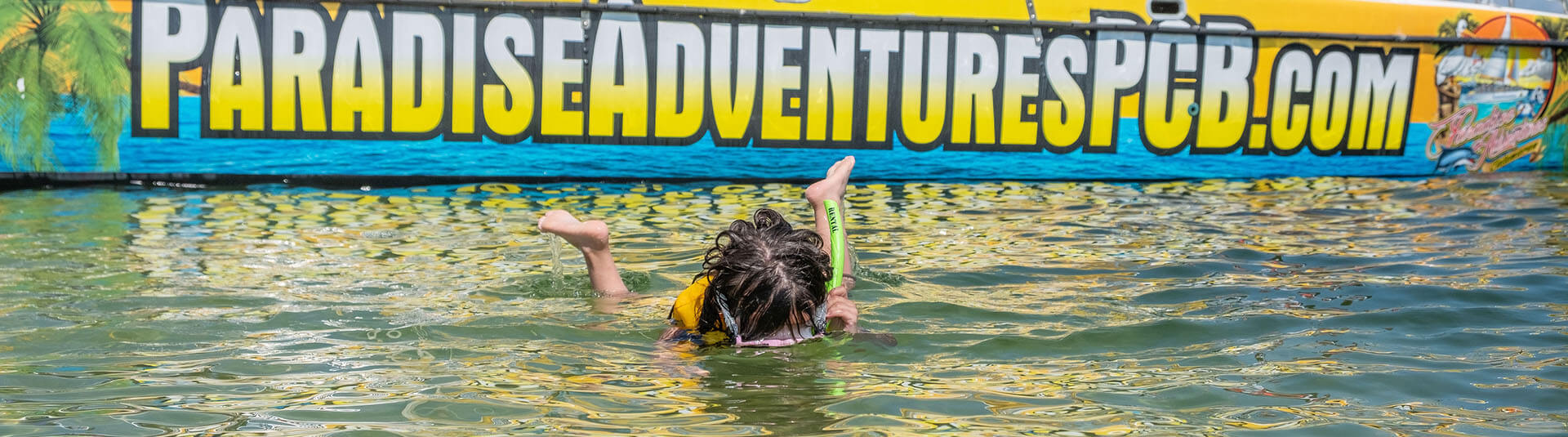
Here’s a little good news: many Paradise Adventures tours can still operate even during red flag conditions, since the vessels run in protected waters where swimming in the Gulf isn’t required. So while rainy days might call for a change of plans, a red flag doesn’t always mean your day on the water is canceled.
With that in mind, we’ve rounded up our favorite rainy day activities in Panama City Beach and nearby spots — perfect for when the beach isn’t an option, but you still want to make the most of your vacation. From indoor attractions and unique local shops to wildlife encounters and tasty eats, this list will keep your getaway full of adventure no matter what the skies (or flags) say.
Our Top Picks for Red Flag and Rainy Day Fun
1. Camp and Explore at St. Andrews State Park
Even if the Gulf is off-limits, you can still soak in Panama City Beach’s natural beauty at St. Andrews State Park. This coastal gem offers pristine landscapes, hiking trails, and plenty of spots to relax by the water — no swimming required.
If you’re up for an overnight adventure, the campgrounds here are among the best in the area, blending peaceful surroundings with easy access to outdoor activities. Watch the sunset from the shore, spot wildlife, and enjoy the fresh salt air all while avoiding the rough surf.
2. Indulge in Retail Therapy at Pier Park in Panama City Beach
When the beach isn’t an option, whether due to red flags or a passing rain shower, Pier Park offers plenty to do without worrying about the waves. This vibrant shopping and entertainment hub features a wide mix of stores, restaurants, and attractions, with many covered walkways to help you stay dry between stops.
Catch the latest release at the Pier Park movie theater, browse unique boutiques, or grab a bite at a local eatery. And if the skies clear, you can stroll to the nearby public piers for fresh Gulf views before heading back to your shopping adventure.
3. Catch Sky-High Views at SkyWheel Panama City Beach
Even if you can’t dive into the Gulf, you can still take in its beauty from above. The SkyWheel Panama City Beach offers breathtaking panoramic views of the coastline, St. Andrews Bay, and the city beyond, all from the comfort of an enclosed, climate-controlled gondola. It’s a perfect activity for red flag days or when you just want a new perspective on PCB. Don’t forget your camera, because SkyWheel photos make for some of the most memorable souvenirs of your trip.
4. Feel the Rhythm with Live Music in Panama City Beach
You don’t need a beach chair to soak up Panama City Beach’s vibrant atmosphere — just follow the music. From lively beach clubs and laid-back bars to indoor venues and outdoor concert spaces, there’s a tune for every taste. Catch big-name acts and festivals at Aaron Bessant Park, or enjoy a more intimate vibe at local favorites like Schooners or Tootsies. Check the Panama City Beach live music calendar to see who’s playing during your visit. Whether indoors or out under the stars, live music is one of PCB’s best ways to spend an evening away from the waves.
5. Step into a World of Wonders at WonderWorks Panama City Beach
Looking for the ultimate rainy day activity in Panama City Beach? Head to WonderWorks, the city’s famous upside-down building, for hours of indoor fun. Inside, you’ll find more than 100 interactive exhibits designed to spark curiosity and creativity. Walk through a gravity-defying inversion tunnel, feel the power of a hurricane in the simulator, or battle it out in the laser tag arena. Perfect for kids and adults alike, WonderWorks is an all-weather adventure, and it’s right across from another rainy day favorite, Ripley’s Believe It or Not.
6. Discover the Strange and Unusual at Ripley’s Believe It or Not
When the weather keeps you off the beach, Ripley’s Believe It or Not is another fantastic rainy day activity in Panama City Beach. Step inside this quirky “Odditorium” to explore fascinating exhibits, bizarre artifacts, and unbelievable displays from around the world. Test your wits in the Mirror Maze, immerse yourself in the 7D Moving Theater, or marvel at rare oddities you won’t find anywhere else. Fun for all ages, Ripley’s is the perfect spot to stay dry while still making unforgettable vacation memories.
7. Putt Your Way to Fun at Coconut Creek Mini-Golf in Panama City Beach
When the Gulf is off-limits but you still want to enjoy the outdoors, Coconut Creek Mini-Golf is a great way to keep the fun going. This charming mini-golf course promises an exciting challenge for the whole family. Whether you’re a pro or just looking for a fun-filled afternoon, Coconut Creek’s beautifully designed course is the perfect place to create laughter-filled memories while enjoying mini-golf in Panama City Beach.
8. Embark on an Animal Adventure at ZooWorld
Calling all animal lovers! On red flag days, swap the surf for a safari at ZooWorld, a world of animals right here in Panama City Beach. From admiring exotic species from around the globe to the pure joy of a sloth encounter, there’s something for everyone. Whether you’ve always dreamed of petting a sloth or want to learn more about native Florida wildlife, ZooWorld is your one-stop destination for an unforgettable animal adventure.
9. Fuel Your Need for Speed With Go Karts Panama City Beach
Rain or shine, go karts are a guaranteed way to amp up the excitement on your PCB trip. If the weather’s keeping you off the beach, head to Kartona Electric Speedway, an entirely indoor track where the fun never slows down. On sunny days, you can take the competition outside at Race City or Emerald Falls Family Recreation Center, where tracks cater to all ages and skill levels. Fast or slow, young or old, go karts in Panama City Beach promise thrilling fun and memories you’ll race to remember.
10. Rock and Bowl at Rock’It Lanes
For those searching for the fun of both bowling and arcades, Rock’It Lanes is a must-visit. Offering a unique ‘rock and bowl’ experience, this isn’t just any bowling alley and arcade. With its modern lanes and a vibrant indoor arcade near you, it’s the perfect place to spend a day indoors in Panama City Beach. Whether you’re a bowling pro or just in the mood for some classic arcade games, Rock’It Lanes, is a rainy day activity that has something for everyone.
Red Flags or Rain Don’t Have to Ruin Your PCB Fun
Rain or shine, Panama City Beach is packed with ways to make your trip unforgettable. From the natural beauty of St. Andrews State Park to the thrills of go karts, live music, shopping, and unique attractions like Ripley’s and WonderWorks, there’s always something to enjoy, even when the Gulf is off-limits. These rainy day activities in Panama City Beach (and red flag day alternatives) mean you’ll never have to miss out on the fun.
At Paradise Adventures, we’re proud to help visitors make the most of their time here, no matter the weather. Whether you join us on the water or explore one of the many other incredible things to do in PCB, we’re here to make your vacation memorable from start to finish. Here’s to sunshine, laughter, and adventure — in every forecast.